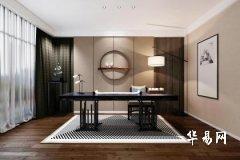
Choosing a middle floor (between one-third and two-thirds of the total floors), floors with "8" or "6", and the "Phoenix Floor" (the second top floor) in high-rise buildings is generally more suitable. From a feng shui perspective, east-facing units are often considered to have better wealth accumulation advantages, but in reality, this is also influenced by various other factors. Next, we will provide a detailed analysis of these aspects and share practical feng shui improvement methods.

Which Floor is Best for Living in an Apartment
In the field of feng shui, selecting the appropriate floor requires considering both the Five Elements and surrounding environmental factors. According to the Five Elements theory, each floor corresponds to different properties: the first and sixth floors belong to Water, the second and seventh to Fire, the third and eighth to Wood, the fourth and ninth to Metal, the fifth and tenth to Earth, and subsequent floors follow this cycle.Selecting a floor that aligns with your personal destiny's favorable elements can benefit your fortune. For example, those who favor Water should choose the first or sixth floor. According to the principle of mutual generation among the Five Elements, Metal generates Water, and Water generates Wood, creating a positive energy field that helps enhance career and financial luck.
If you choose a floor that conflicts with your favorable elements, such as someone who dislikes Fire living on the second or seventh floor, it may lead to irritability and interpersonal tension. However, this can be adjusted by placing items in the home that correspond to your favorable elements. For instance, those who dislike Fire can place metal objects, which generate Water, thus balancing the energy field.
Analyzing the relationship between floor height and energy field, each floor has its own characteristics.
Low floors (1-3): These floors are close to the ground, convenient for travel, and friendly for the elderly and children. The stable energy field can absorb earth energy. However, lighting and ventilation may be poor, and they are prone to noise and humidity issues. If the surrounding environment of the residential area is bad, such as being near a road or garbage station, the impact will be greater.
Improvement methods include placing more green plants indoors to improve air quality and eliminate negative energy fields; using moisture-proof materials on the floor and anti-mold paint on the walls to reduce the impact of humidity.
Middle floors (around 4-10): These floors offer good lighting and ventilation, less external interference, gentle wind, and a stable energy field, making them suitable for most people. A wide view can make people feel cheerful, which is beneficial for physical and mental health and fortune, and their prices are usually within the average range of the building, offering good cost-effectiveness.
High floors (above 10): They offer a wide view, fresh air, and less noise disturbance. However, the wind is strong, and the energy field is unstable. Strong winds may cause fluctuations in fortune, and emergency situations may be harder to escape. When living in a high floor, you can place feng shui items like Shigandang on the balcony to ward off evil and stabilize the energy field; install windproof facilities on the windows to reduce wind noise.
The surrounding environment also affects the feng shui of the floor. If there is a water feature like a river or lake in the residential area, the floors close to the water feature may have better wealth due to the symbolism of water representing wealth. However, if the water feature is poorly managed, it may have a negative impact.
The greenery and architectural layout within the residential area are also crucial. Small distances between buildings may result in insufficient lighting, affecting the fortune. If there are unfavorable buildings outside the residential area, such as hospitals, temples, or garbage stations, facing them may negatively affect the feng shui of the floor. For example, facing a hospital may lead to exposure to illness energy. When choosing a floor, avoid these positions, and if avoidance is impossible, install curtains or place feng shui auspicious items to neutralize the effect.
Does East-facing or West-facing Unit Bring More Wealth?
There is a folk saying that "East is noble and West is rich." The East-facing unit is also praised for its "Purple Qi from the East," but whether it brings prosperity cannot be generalized and is constrained by multiple factors.From the perspective of flying stars feng shui, in multi-unit buildings, if the door of the East-facing unit opens to the west, the flying star combination in the west is favorable for the "Wen Chang" (literary success) period, which means the residents will be diligent in studies, have strong abilities to accept new things, and achieve smooth careers, thus helping to increase wealth.
On the other hand, if the door of the West-facing unit opens to the east, the flying stars in the east are two black and five yellow, which are dangerous stars. Long-term exposure to these stars may lead to family unrest and difficulty in accumulating wealth.
From a comprehensive feng shui perspective, a good feng shui house should have sufficient sunlight and good ventilation. East-facing units have an advantage in this regard. East-facing units receive long hours of sunlight and have ample light without being too hot, providing a comfortable living environment and promoting a positive mood, which benefits wealth.
West-facing units have strong afternoon sunlight, making summers very hot, and the living experience is worse than East-facing units. However, if the external environment of the West-facing unit is quiet and suitable for living, while the East-facing unit has poor internal layout or is disturbed by noise, the West-facing unit may be more suitable in such cases.
Additionally, the wealth-enhancing effects of East and West-facing units are also influenced by the location of the wealth position. The wealth position of East-facing units is in the southeast direction, belonging to the "Xun" trigram, symbolizing wind and change. By reasonably arranging wealth-attracting items and plants, the wealth can be enhanced. The wealth position of West-facing units is in the northwest direction, belonging to the "Qian" trigram, representing stability and permanence. Placing stable items and furniture in this area can help stabilize the wealth.
Feng Shui Tips
Feng Shui Improvement for Floor: If you live on a lower floor and are troubled by humidity, you can install a dehumidifier, frequently open the windows for ventilation, and place bamboo charcoal bags in the corners to absorb moisture. For insufficient lighting, keep the windows clean, choose light-colored furniture and decoration materials, and use mirrors properly to reflect light. For high floors with strong winds, install windproof curtains on the windows to reduce the impact of wind on the indoor energy field.Feng Shui Optimization for East-facing Units: Place items like crystal balls or money trees in the southeast wealth position to enhance wealth; hang paintings of "the sun rising in the east" in the living room to strengthen the vitality and energy of the east, thus improving the family's energy field.
Feng Shui Adjustment for West-facing Units: Place a metal-shaped xuexi (a mythical creature believed to bring wealth) in the northwest wealth position to stabilize the wealth; install heat-insulating curtains during summer to reduce indoor temperature and improve living comfort and energy stability.