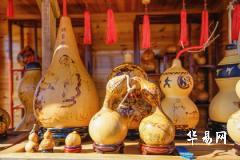
The gourd, an ancient crop, not only holds a place in agricultural history but also plays a role in Chinese culture as a symbol of warding off evil and bringing good luck. This article will delve into the material selection of the auspicious gourds, as well as their cultural significance and usage taboos, guiding you to experience the unique charm of this traditional lucky object.

Cultural Significance of the Gourd
Gourd culture is an essential part of Chinese folk culture. At least 20 ethnic groups in China revere "Pao," and these groups all have myths originating from the gourd, viewing the gourd as the source of ancestors. In ancient myths, Fu Xi and Nu Wa, the progenitors of humanity, are regarded as incarnations of the gourd. The ancestor who "created the world," Pan Gu, "Pan" and "Shi Hu" (a kind of gourd) share the same character in ancient times, and "Gu" and "Hu" are similar in sound. Therefore, "Pan Gu" refers to "Shi Hu," which means gourd. There is a saying in folk culture, "A single gourd inside the house brings wealth to the family," meaning that every household must place a gourd to attract wealth and prosperity, showing that the gourd is an essential lucky item for home use.
History and Materials of Jade Carved Gourds
In jade carving works, the gourd is one of the most common themes. Throughout Chinese dynasties, there were many gourd-shaped handicrafts. The gourd handicrafts collected in museums come in various materials, including jade, crystal, and gold. The earliest jade gourd-shaped artifact found so far is the jade gourd-shaped piece excavated from the Yuehe Tomb in Nanyang, made of tremolite. In addition, there are agate gourd-shaped beads from the Western Han Dynasty, crystal gourds from the Southern Song Dynasty, and white jade gourd-shaped ear pendants from the late Ming Dynasty, reflecting the diversity of materials and craftsmanship of gourds across different dynasties.
The Meaning and Taboos of the Gourd
The gourd is one of the earliest lucky symbols of the Chinese nation, with unique historical origins, profound cultural connotations, and a broad mass foundation. In ancient times, people often hung them at the door to ward off evil and attract treasures. From elderly people to children, everyone loves it. In many myths or legends, the gourd is always accompanied by immortals or heroes, such as Tieguai Li among the Eight Immortals, the Elder of the Southern Pole, and Ji Gong, who are depicted carrying or hanging gourds. The gourd is often endowed with many miraculous powers, considered a spiritual object that brings blessings, wealth, and protects against demons, expressing a desire for harmony and completeness.
Forms and Appreciation of Jade Carved Gourds
Gourd jewelry comes in various forms besides the common jade-carved pendants, such as figurines, rings, and accessories. Each type of gourd jewelry embodies people's hopes for a better life. Jade-carved gourd pendants, earrings, rings, small tassels, and hand-held items and display pieces are modern expressions of gourd culture. A gourd combined with a beast (shou, meaning longevity) is called "Fu Lu Shou," a common theme in jade gourd carvings. The representation of "Fu Lu Double Abundance" usually involves two gourds carved together, symbolizing rich meanings and exquisite patterns.

Auspicious gourds are not only traditional lucky objects with diverse materials but also symbols of warding off evil and bringing good fortune in Chinese culture. From jade to crystal, and then to gold, gourds made of different materials carry rich cultural connotations and historical value. Understanding the materials, meanings, and usage taboos of gourds helps us better appreciate and utilize this traditional lucky object, allowing it to continue showcasing its unique cultural charm in modern life.